
Loading...
Serving Richmond, CA and surrounding areas. (510) 660-6878
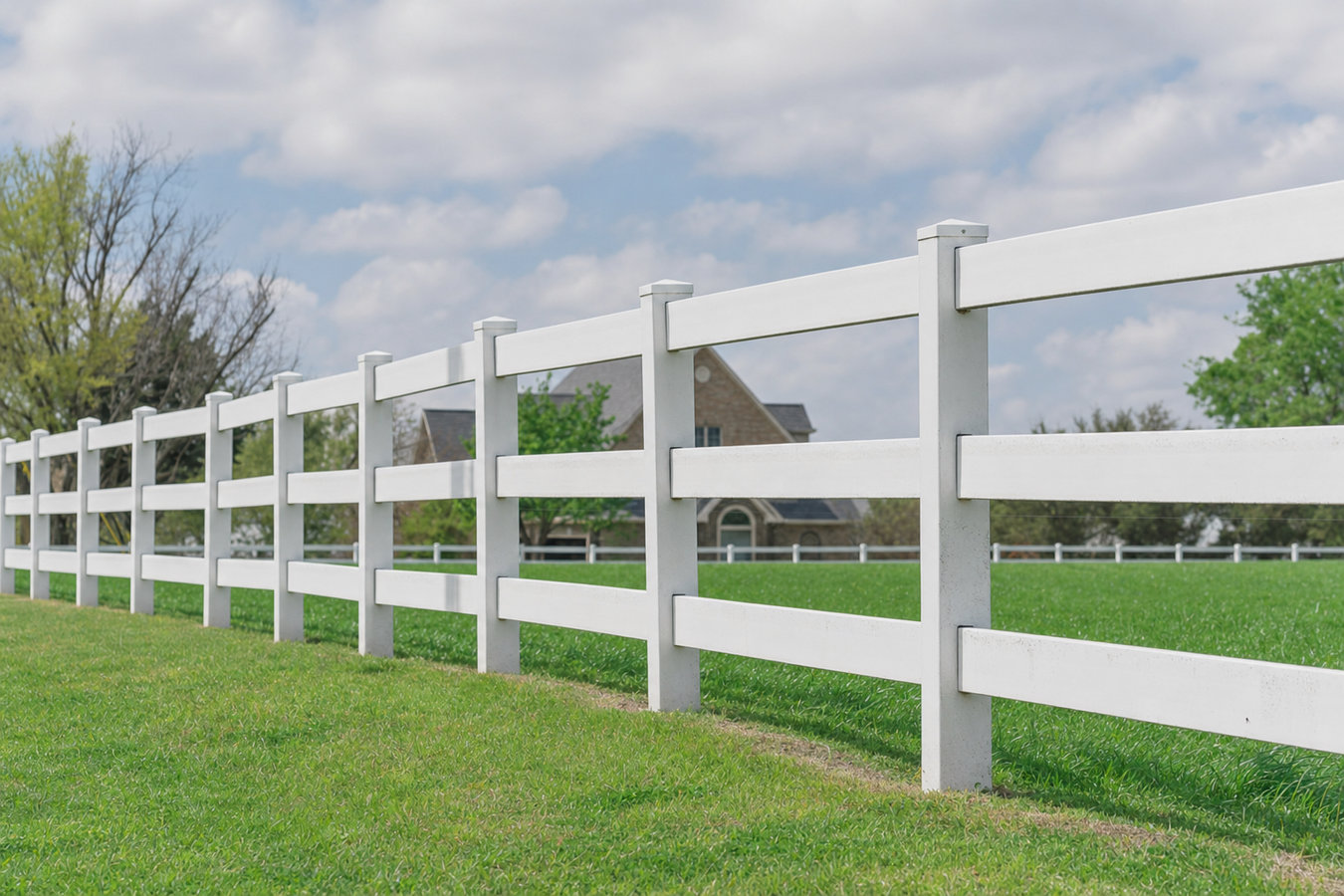
East Bay clay soils and wet winters demand more from farm fencing than a standard installation provides. We set posts for local conditions, contain livestock reliably, and give you a written quote before any work starts.
Farm and ranch fencing in Richmond covers perimeter enclosures to keep animals in or out, interior dividing fences to separate pastures or paddocks, and security fencing around outbuildings, with most small properties fenced in one to three days depending on terrain and material.
While Richmond is primarily urban, its edges - particularly toward North Richmond and the unincorporated Contra Costa County fringe near El Sobrante - include hobby farms, horse properties, and small agricultural parcels that need real farm fencing, not just a yard fence. The local clay soils and seasonal wet-dry cycle make post setting here more demanding than in a drier inland area. We install woven wire, high-tensile wire, wood post-and-rail, and split-rail systems, and we can also pair farm perimeter work with a chain link fence installation for equipment yards or outbuilding entrances where you need a lockable gate.
If you are adding animals to an existing property or have not had your current fence assessed in years, a walkthrough with us can tell you quickly what you have and what needs to change before a problem becomes an emergency.
If you walk your fence line and notice posts tilting - especially after a wet winter - the posts have lost their grip in Richmond's clay soil. Expansive clay swells when it rains and contracts when it dries, and posts not set deep enough gradually work loose. A leaning post means the fence line is losing tension and will fail faster from that point forward.
If livestock, goats, or chickens are finding weak spots, the fence is no longer doing its job. This happens gradually as wire stretches, staples pull free, or boards rot at the base - and it gets worse quickly once an animal figures out the weak point. A fence that cannot contain your animals is a safety and liability issue, not just a maintenance inconvenience.
Rust on wire, soft wood at the base of posts, and broken wire sections are signs the fence has reached the end of its useful life in those spots. Richmond's wet winters accelerate both rust and wood rot, especially at the ground line where moisture sits longest. Patching individual sections can work short-term, but widespread damage usually means full replacement is more cost-effective.
If you are bringing in a new type of animal - say, goats when you previously only had chickens - your existing fence may not be the right type or height. Different animals require different fence designs, and a fence that works perfectly for one species can be completely inadequate for another. This is the right time to have a contractor assess your current setup before the animals arrive.
We install the full range of agricultural fencing materials used across the East Bay. Woven wire - sometimes called field fence or livestock fence - is the most practical choice for mixed-animal properties because the small openings near the bottom stop goats and smaller animals from pushing through or getting their heads caught. High-tensile wire is popular for horses and cattle because it flexes on impact rather than breaking, which matters on longer fence runs where an animal at speed might hit the line. We also install wood post-and-rail for horse properties that want a more traditional look and are willing to do periodic maintenance. For properties that also need a defined hard perimeter around equipment or buildings, we can integrate pet and dog fencing systems alongside farm perimeter work.
Every installation starts with the right post-setting approach for East Bay soil. We ask upfront what animals you are containing, what predators are a concern, how much land needs to be enclosed, and whether any of the fence line runs along a shared property boundary. Corner and end-post bracing is not an optional upgrade - it is the structural anchor of the entire fence line, and we build it correctly from the start. For customers who also want a chain link fence installation around a specific outbuilding or equipment area, we can quote both scopes together.
Best for mixed-animal properties where goats, sheep, or poultry need small-opening containment along the full fence line.
Best for horse and cattle properties that need a fence that flexes under pressure and covers long perimeter runs cost-effectively.
Best for horse properties or hobby farms that want a classic look and are prepared to do periodic maintenance as wood ages.
Richmond's clay-heavy soils are the defining challenge for any farm fence in this area. The soil swells during the rainy season - roughly November through March - and shrinks back down in summer. That seasonal movement is relentless, and posts that are not set deep enough will gradually work loose and lean, especially at corners where tension is highest. We ask about soil conditions at every estimate because a post depth that works in San Joaquin Valley sandy soil is not the right depth for the East Bay. Homeowners near Rodeo and Martinez deal with similar Contra Costa County soil and permitting considerations, and we work those areas regularly.
Wildfire risk is another local factor worth raising before you choose materials. Parts of the Richmond hills and North Richmond area fall within or near state-designated fire hazard zones, and wood fencing running close to a barn or main structure can create a fire pathway. Some property owners in these areas are choosing metal posts and non-combustible materials for the sections of fence near buildings as a result. CAL FIRE's defensible space guidelines are worth reviewing if your property sits in or near a hazard zone. Bay-side and ridge-top locations also get strong afternoon winds in spring and summer, which put more stress on corner braces and end posts - one more reason proper bracing is not an optional detail on this type of job.
We reply within one business day. We will ask a few quick questions about how much fencing you need, what animals you are containing, and whether there is any existing fence that needs to come out first.
We walk the property with you to check terrain and soil, discuss material options, and note any areas where the layout will affect cost. This is also the time to raise permit questions - we will tell you whether you need one and who to call.
You receive a written estimate covering materials, labor, gate hardware, and disposal of old fencing before anyone picks up a post-hole digger. If something unexpected comes up during the job, we talk to you before changing the price.
Small properties are typically done in one to three days. We walk the fence line with you before we leave - checking gate function, wire tension, and ground-level gaps. Your animals can return to the area the same day once you are satisfied.
Free on-site estimate, written quote, and local knowledge of East Bay soil and permit requirements. No pressure.
(510) 660-6878We set posts deeper than the minimum in Richmond's expansive clay soil. That extra depth is what keeps your fence line straight and tight through the wet-dry seasonal cycle - and it is the single biggest factor in how long a farm fence lasts in this area.
Properties near the Richmond-unincorporated Contra Costa County boundary deal with different permit rules depending on which side of the line they sit. We know which office to call for your parcel so you do not waste time on the wrong paperwork. Contra Costa County Building Inspection
Corner braces are the structural anchor of any fence line, and skipping them is the most common shortcut that leads to a sagging fence within a few years. We build corners and end posts correctly from the start - it is not an upsell, it is just how the job should be done. UC Cooperative Extension fencing guidance
A written quote covering materials, labor, gate hardware, and old fence disposal goes to you before any work begins. If something changes during the job - an unexpected rock line or buried root that slows post setting - we talk to you before we change the price.
The difference between a farm fence that lasts 25 years and one that needs attention in five comes down to post depth, corner bracing, and material choices made for local conditions. We make all three calls correctly, on every job, whether you have half an acre or five.
Yard containment systems designed to keep dogs safely inside, including height and gap options suited to different breeds.
Learn MoreDurable, low-maintenance chain link for equipment yards, outbuilding perimeters, and high-traffic areas on larger properties.
Learn MoreSpring is the best time to set posts before East Bay soils dry and harden. Call us now or request an estimate online and we will be out to walk your property within a few days.