
Loading...
Serving Richmond, CA and surrounding areas. (510) 660-6878
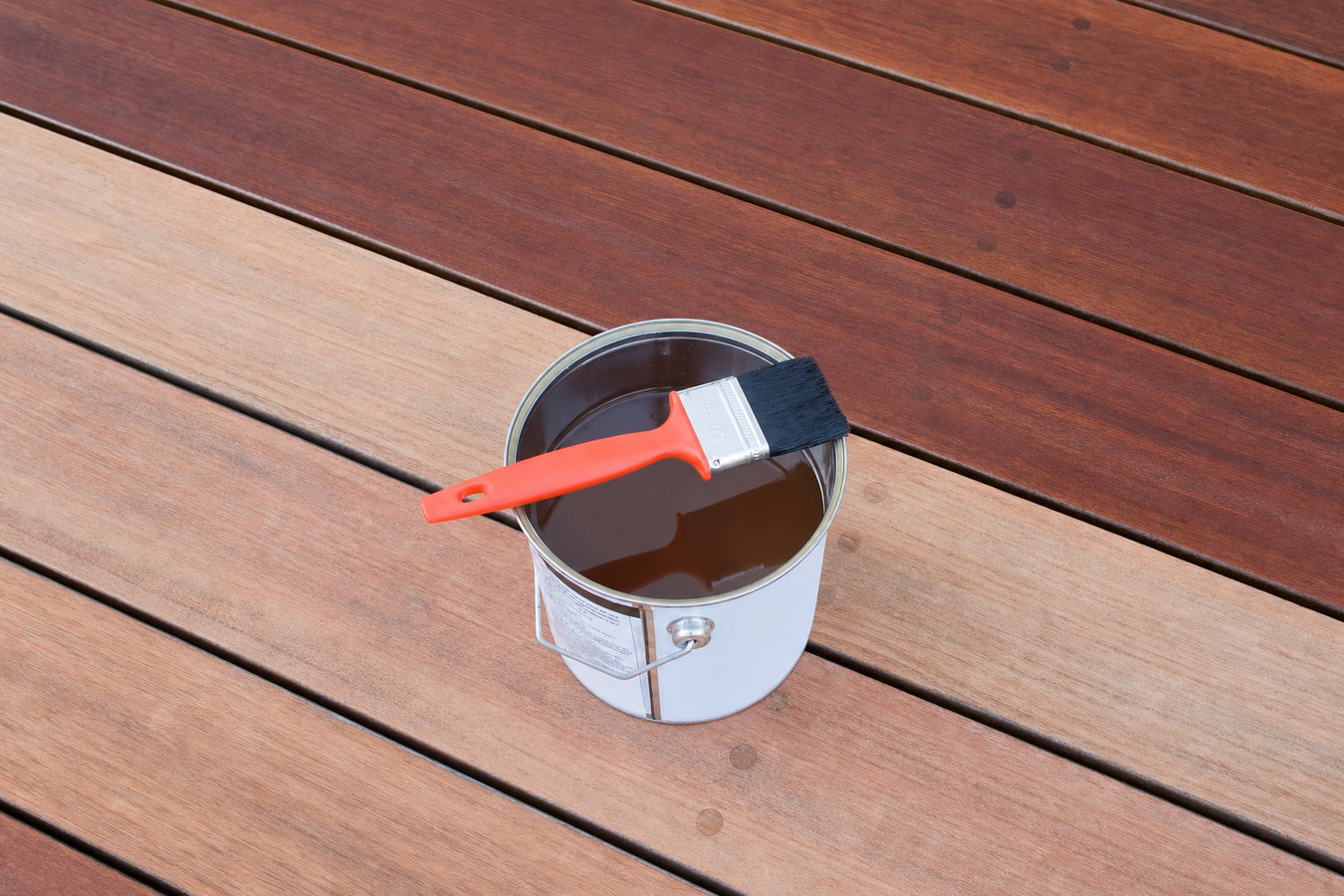
Richmond's salt air and daily fog are hard on wood fences. We clean, prep, and stain with products built for the Bay - so you get a finish that actually lasts, not one that peels by next spring.
Fence staining and sealing in Richmond, CA means cleaning the wood thoroughly, letting it dry completely, and then applying a penetrating stain or sealer that bonds to the wood fibers and resists moisture. Most residential jobs take one to two days, with 24 to 48 hours of drying time before the fence can get wet.
Homeowners in Richmond call us when their fence has gone gray, when stain has started peeling, or when they want to get ahead of visible damage before it turns into a rot problem. The salt air and morning fog off San Francisco Bay break down wood finishes here faster than almost anywhere else in the East Bay - a fence that looks fine in June can look rough by October if the sealer has failed. If you are already seeing soft spots or crumbling wood at the base of your boards, those sections may need to be replaced before staining - and we will point that out during the estimate, not after the job starts.
Staining is one part of keeping a wood fence in good shape long-term. Homeowners who are also seeing loose boards, leaning posts, or structural damage should look at fence replacement options first. For those building or installing a new fence, pairing wood fence installation with a staining job from the start gives the best long-term protection.
When a wood fence loses its warm brown tone and goes uniformly gray, the protective finish has worn away and the wood is weathering unprotected. In Richmond's foggy, salt-air environment, this can happen within 18 months of the last treatment. Gray wood is not ruined, but it needs cleaning and conditioning before new stain will absorb evenly.
Splash a small amount of water on your fence boards. If the water soaks in immediately and darkens the wood, the sealer is gone. If it beads up and rolls off, you still have protection. Richmond's frequent morning fog means your fence gets this moisture test every single day, so a failed sealer here matters more than it would in a drier climate.
Small surface cracks running along the grain mean the boards are drying out and contracting. Left alone, these cracks deepen and let water in, which leads to rot - especially at the base of boards where they sit closest to the ground. Catching this early and applying a quality stain can slow the process significantly.
Peeling or bubbling usually means a previous coat was applied over wet or dirty wood, or a film-forming product has since failed. This is common on older Richmond homes where the fence may have had multiple coats without proper prep. Before new stain goes on, the old failing finish has to come off completely - otherwise the new coat fails just as fast.
Every fence staining job starts with prep. We pressure wash or hand-clean the surface to remove dirt, mildew, and any old failing finish, then apply a wood brightener on older fences to open up the grain before stain goes on. For Richmond properties with aging wood, this step is what separates a finish that lasts from one that starts peeling within a season. We also handle fence replacement for boards that are too far gone to save, so the final stained result is consistent from post to post.
On the product side, we work with both penetrating oil-based stains - which soak deeper and tend to hold up longer in coastal conditions - and water-based acrylics, which dry faster and have less odor. The right choice depends on your fence's condition, your timeline, and whether you have HOA color requirements to meet. If you are starting fresh with a new wood fence installation, we can coordinate the staining job at the time of install so the wood is sealed from day one.
Soaks deep into wood fibers and tends to last longer in harsh coastal conditions - the right choice for Richmond fences that take a lot of weather.
Dries faster and has almost no odor - a practical option if you need yard access back quickly or have pets and children at home.
Adds a water-resistant barrier without changing the wood color much - suited for homeowners who want protection while keeping a natural look.
A cleaner applied before staining that opens the wood grain and removes gray oxidation - essential on older Richmond fences for an even finish.
Soft or rotted boards are swapped out before staining begins so the finished job is structurally sound and looks consistent throughout.
Removes dirt, mildew, and old failing finish so the new stain bonds properly - the step that separates a lasting job from one that peels in a season.
Richmond sits on San Francisco Bay, and the combination of daily marine fog, salt air, and coastal moisture puts a level of stress on wood fences that most inland cities simply do not see. The salt accelerates the breakdown of wood fibers and protective coatings, and the fog means your fence is getting wet - and drying out - every single morning. Fences in Richmond typically need re-staining closer to every two years rather than the three-to-five-year cycle you might hear for drier parts of the Bay Area. If you are in a neighborhood near the waterfront in Richmond, your fence is taking the most weather - and the most wear.
Richmond also has a large share of homes built in the 1940s through 1960s, and many of those fences are original or have been patched repeatedly. Older wood often has deeper weathering, gray oxidation, and surface checking that requires more prep time and a wood brightener before staining. In some cases, the fence has had multiple coats applied over the years without proper cleaning, and the layers have started to separate. This is a common situation we see when working in San Pablo and other older neighborhoods in the area - and addressing it correctly at the prep stage is what makes the difference between a finish that holds and one that fails again by the next wet season.
We ask about your fence length, material, and when it was last treated. Most contractors will want to see the fence before giving a firm price - either in person or via photos. We reply to all inquiries within 1 business day.
Once you book, we confirm the date and walk you through what to do beforehand - clearing plants and furniture, and letting your neighbor know if the fence is shared. We also ask about HOA color requirements so there are no surprises after the stain dries.
On the first work day, we clean the fence with a pressure washer or hand-applied cleaner to remove dirt, mildew, and old failing finish. The wood then dries completely - usually 24 hours - before stain goes on. Skipping this step is the most common reason stain peels early.
We apply stain or sealer with brushes, rollers, or a sprayer - often a combination - so every surface, edge, and post base gets covered. Before we leave, we walk the job with you and handle any touch-ups on the spot.
Free written estimate. No obligation. We reply within 1 business day.
(510) 660-6878Richmond's daily salt air and coastal moisture break down standard wood finishes faster than most homeowners expect. We choose stains and sealers specifically suited to high-humidity environments so the finish holds for seasons, not months.
The most common reason stain fails early is going on over dirty or wet wood. We clean and dry every fence before any product is applied - including the post bases, which is where corners get cut most often.
Parts of Richmond - including some neighborhoods near the waterfront - have HOA rules about fence color and finish. We ask about your HOA requirements before selecting a product and show you samples in natural light so you are not surprised by how the color looks once it dries.
You receive a written quote that breaks out prep, materials, and labor separately before anyone touches your fence. We also flag any boards that need replacement during the estimate - not after the job has started.
The right product, properly applied to clean and dry wood, is what makes fence staining worthwhile in Richmond. We have worked on fences throughout the East Bay and understand what holds up in this climate - and what does not. The EPA Safer Choice Program maintains a list of low-VOC wood coatings that perform well in coastal conditions and are safer to use around children and pets - we source from products that meet or exceed those standards.
For questions about fence maintenance regulations and shared fence responsibilities, the California Civil Code Section 841 covers neighbor cost-sharing rules for boundary fences. The California Contractors State License Board lets you verify any contractor's license in about 30 seconds.
When boards have gone soft or posts are leaning, replacement is often more cost-effective than continued staining - we handle full fence removal and new installation.
Learn MoreNew wood fences stained from day one last significantly longer - we install and seal in one coordinated project so nothing gets skipped.
Learn MoreCall us or submit your details for a free written estimate. We book up fast once the weather turns.