Loading...
Serving Richmond, CA and surrounding areas. (510) 660-6878
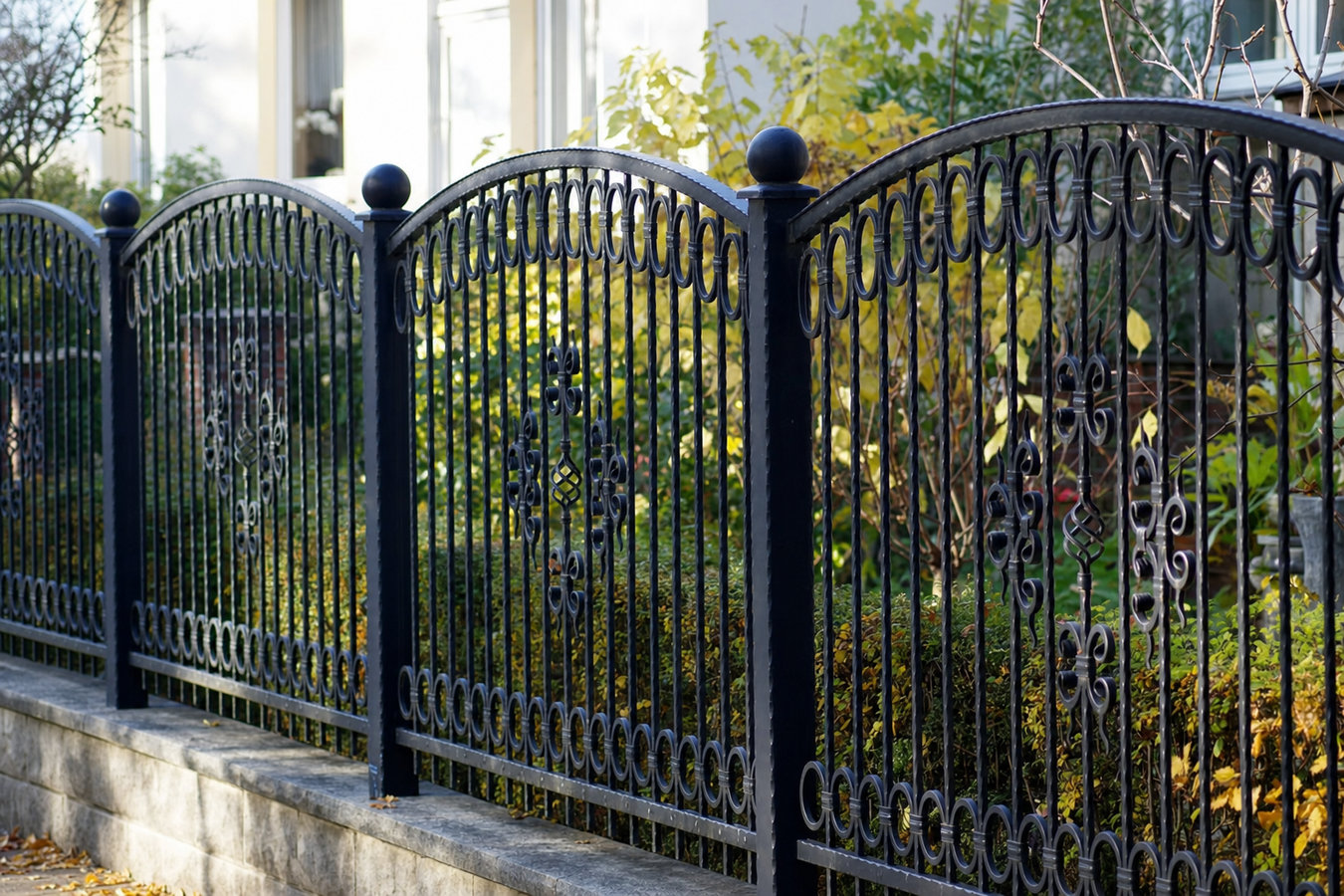
A properly installed ornamental iron fence marks your boundary, improves curb appeal, and holds up to Richmond's Bay-side salt air for decades - not just a few seasons.
Ornamental iron fence installation in Richmond, CA involves setting steel or wrought-iron panels between concrete-anchored posts, applying a protective powder-coat finish suited to coastal conditions, and pulling the required city permit - most residential jobs take one to three days once the permit is approved.
Richmond homeowners reach out to us for ornamental iron for a consistent set of reasons: an aging iron fence that has started rusting, a property line that needs definition without blocking sightlines, or a home they are preparing to sell and want to look polished from the street. Whatever is driving the project, the details that matter most here - rust-resistant finishes, post depth for clay soil, and permit handling through the City of Richmond - are things we handle as standard practice, not as extras.
If you are also thinking about access control alongside the fence, we often pair ornamental iron installations with security fence work or coordinate them with a custom fence design when the property calls for something more specific than a standard panel layout.
Orange or brown streaks running down fence panels are a sign Richmond's coastal air has started attacking the metal. If any section wobbles when you push on it, the post or connection has been compromised. Surface rust caught early can sometimes be treated, but rust that has eaten through the metal or destabilized a post means replacement is the smarter call.
Richmond has neighborhoods with high pedestrian activity, and an unfenced yard can feel like an open invitation. An ornamental iron fence gives you a clear boundary without blocking sightlines the way a solid wood fence would. It also improves how your property reads from the street, which matters whether you plan to stay or eventually sell.
If one or more posts have tilted away from vertical - even slightly - it usually means the concrete footing has failed or the soil around it has shifted. East Bay clay soils are known for this kind of movement after a wet winter followed by a dry summer. A leaning post will not fix itself, and the longer it goes unaddressed, the more stress it puts on the panels attached to it.
In Richmond's real estate market, first impressions from the street carry real weight. A rusted, bent, or missing fence signals deferred maintenance to buyers and their agents. Installing a clean ornamental iron fence before listing is one of the more visible exterior upgrades you can make, and it tends to photograph well.
Most residential ornamental iron installations start with standard decorative panel sections in a height that fits the property and any applicable city or HOA rules. From there, the choices that actually matter are the finish and the post footing depth - both of which have a direct impact on how long the fence holds up in Richmond's environment. We use powder-coated panels as our standard, not as an upgrade, because bare or thinly coated iron does not survive Bay-side salt air for long. For homeowners who want a fence that goes beyond standard panel layouts, we also work on custom fence design projects where the style, height, or configuration requires more planning than a stock installation.
Gates are part of most installations - either a pedestrian walk-through gate or a wider driveway gate depending on the property. For homeowners who want motorized access control, ornamental iron pairs naturally with an automatic gate setup. If the primary goal is perimeter security rather than aesthetics, security fence installation offers taller, heavier options built specifically for deterrence. We help you figure out which combination makes sense for your specific situation during the site visit.
The standard choice for front and side yards - classic decorative pickets in a range of heights to match your property and neighborhood style.
For properties with specific HOA requirements, sloped yards, or homeowners who want a design that stands out rather than blends in.
A baked-on protective coating that resists chipping, fading, and moisture - specifically important in Richmond's salt-air environment.
Finishing details that add visual polish to the top of each post and complete the look of the installed fence line.
A walk-through gate with a self-closing latch, built to match your fence panels so the entrance fits the whole design.
A wider swing or slide gate for vehicle access, suitable for pairing with an automatic gate operator when added security and convenience are priorities.
Richmond sits directly on San Francisco Bay, and the salt-laden air that rolls in off the water is harder on metal than most inland California climates. A fence that would look fine for 15 years in Sacramento can start showing rust in three or four years here if the coating is not right. That is not a scare tactic - it is just the reality of installing iron this close to the bay. The contractors who understand this build corrosion protection into every installation rather than treating it as optional. Homeowners in San Pablo and other nearby East Bay cities face the same issue, but Richmond's direct bay exposure makes it a more immediate factor here.
Richmond's older housing stock - much of it built between the 1920s and 1950s - means many properties either have no fence or have one that has been deteriorating for years. Clay-heavy soils throughout the East Bay also shift with the seasons, pushing posts out of alignment when footings are undersized. Homeowners in El Cerrito and similar neighboring cities deal with the same soil conditions. Knowing how to set posts correctly for this specific ground - deeper holes, more concrete - is what separates a fence that stays straight for 20 years from one that starts leaning after the first wet winter. Richmond's permit process through the City of Richmond Building Services also has its own timeline and requirements, and a contractor who has been through it many times will give you a realistic schedule rather than an optimistic guess.
We come to your property, walk the fence line, take measurements, and discuss your goals. Most visits take under an hour. We reply to all inquiries within 1 business day and give you a written quote that breaks out labor, materials, and permit fees separately.
For most Richmond installations, we apply for the required building permit through the City of Richmond Building Services division on your behalf. Permit review typically takes one to three weeks. You do not need to visit City Hall - we handle the paperwork.
Once the permit is approved, we dig post holes sized for Richmond's clay soil, set posts in concrete, and attach panels and gates. Most residential jobs finish in one to three days. You are welcome to be home or not - but keeping a phone handy helps if the crew has a quick question.
Concrete around the posts needs 24 to 48 hours to fully harden. After that, we do a final walkthrough with you - checking that gates latch, panels are level, and the finish is consistent. Anything that does not look right gets corrected before we leave.
No obligation, no pressure. We give you an itemized quote and answer your questions - most on-site visits take under an hour.
(510) 660-6878Richmond's location on San Francisco Bay means salt air is a real factor year-round. We use powder-coated panels rated for coastal conditions and apply additional rust-inhibiting treatment to cut ends and welds - the spots most likely to fail first if left unprotected.
Much of Richmond sits on expansive clay soil that shifts with the seasons. We set posts deeper than the minimum and use more concrete per post than a standard installation requires. That added material is what keeps your fence plumb through East Bay winters.
We manage the entire permit process with the City of Richmond - application, fee, and scheduling for any required inspection. You get a documented record that your fence was installed legally and inspected, which protects you at resale and with your insurer.
Every project starts with a written, itemized estimate covering labor, materials, permit fees, and removal of any existing fencing. The number you approve is the number on the final invoice. No scope creep, no surprise line items after the work is done.
The American Fence Association sets industry installation standards that we follow on every job. You can also verify any California contractor's license through the California Contractors State License Board - we encourage every homeowner to do exactly that before hiring anyone for a fence project.
Taller, heavier fencing built specifically to deter unauthorized access - a natural complement to ornamental iron when security is the top priority.
Learn MoreWhen standard panel layouts are not the right fit, custom design lets you match your property's specific shape, slope, or style requirements.
Learn MorePermit slots fill up - the sooner you reach out, the sooner we can schedule your installation date.